ACTION RECOMMENDED

Windows 10 support has ended. Has your business upgraded?

Plan your upgrade

Financial services · Controlled and resilient

Managed IT Services for Financial Services Firms

Financial firms rely on client records, accounting tools, and communication systems. Permissions, vendor dependencies, and recovery needs shape an appropriate technical scope. PC-Tronix can discuss the environment and responsibilities before proposing work.

CONTACT PC-TRONIXWe’ll follow up directly.

Your information is used only to respond to your request.

01

A Practical IT Conversation for Financial Services Firms

The first discussion should cover who can access financial records, where critical applications run, which vendors manage them, and how data is protected and recovered. Those details help define a practical support scope. Bring your office locations, approximate user count, and any known technology problems so the technical review can be appropriately scoped.

Financial firms depend on business applications, shared files, and outside vendors. Discuss which systems matter most and where their support responsibilities begin.

Identify users, sensitive data, recurring issues, and essential vendor contacts before deciding on service priorities.

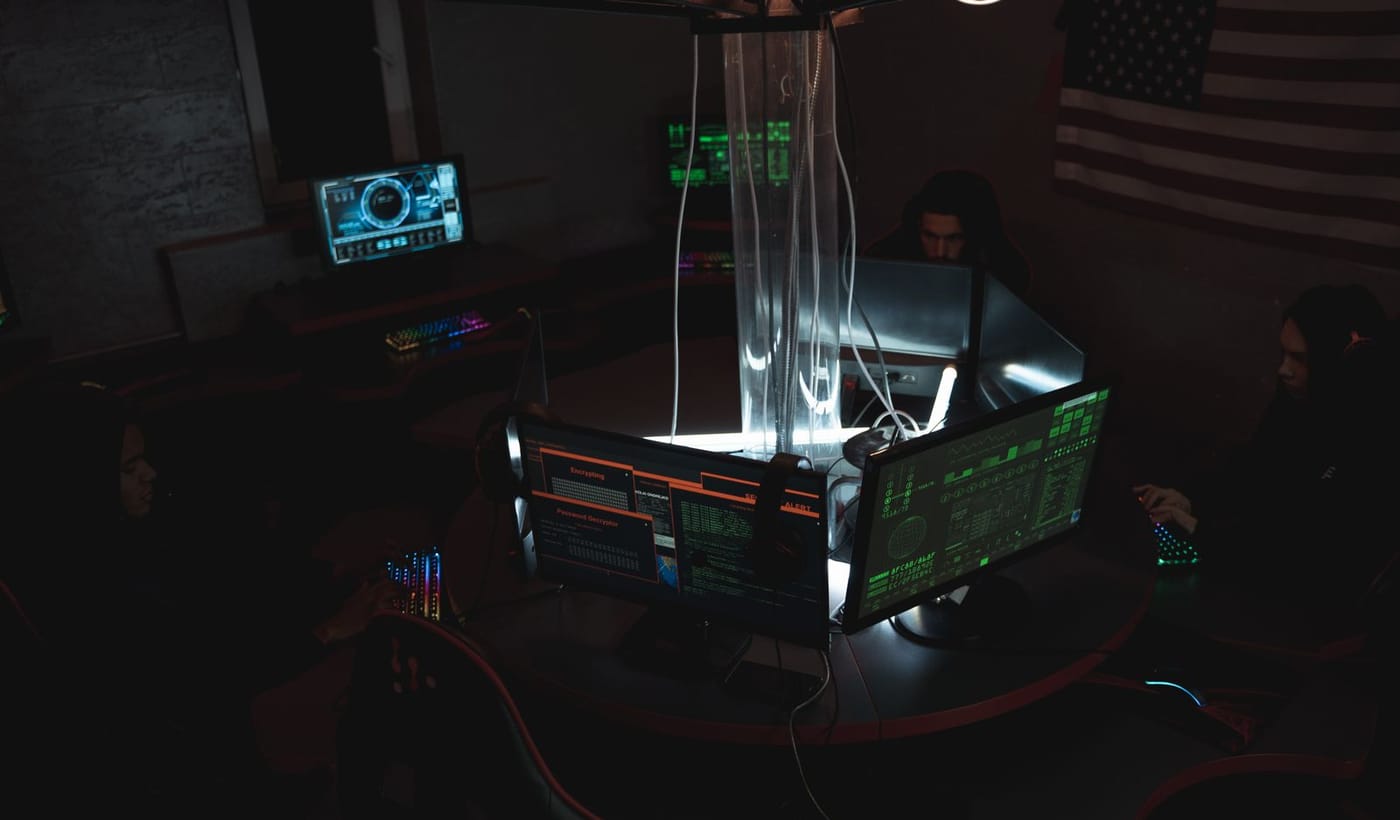
Technology specialists monitoring secure business systems
CONTROLLED + RESILIENTSensitive work needs clear access, active oversight, and recovery that has been tested.

02 / PC-TroniX

IT Support Built Around the Way Financial Services Firms Work

Different parts of your technology setup require specific operational attention. Four core areas help establish a steady foundation for your firm.

01

Identity and Endpoint Protection

Employee devices and accounts provide access to sensitive records. Review MFA, patching, endpoint protection, and permissions, then define which configurations and monitoring activities belong in the agreed service scope. Ask how new hires, departing employees, and changes to job responsibilities are reflected in account permissions and maintenance tasks. Document authorization and escalation responsibilities.

02

Business Systems and Connectivity

Advisors and operations teams rely on workstations, networks, and servers to access business applications. A support review can identify equipment nearing replacement, connectivity constraints, and server-maintenance needs. Any uptime or availability commitments should be defined in the agreed service arrangement. Identify the busiest client-service periods and any equipment or application changes that must be coordinated with outside vendors.

03

Microsoft 365 Security and Collaboration

Microsoft 365 access, mailbox permissions, and external sharing should fit the firm's users and policies. Reviewing these settings can help organize collaboration, but technical configuration does not replace legal or regulatory obligations. Ask who approves mailbox access and document sharing and how access should change when an employee moves roles or leaves.

04

Backup and Recovery Planning

An outage or lost record can disrupt client-facing operations. A recovery discussion should establish which information is protected, how backups are handled, what restore tests are needed, and which systems deserve priority. Confirm each responsibility and any recovery objectives in the proposed scope. Agree on an internal owner for approving backup arrangements and documenting any restoration tests.

03 / PC-TroniX

Plan the Right IT Approach

Four discovery questions help narrow the technical scope and determine who owns each responsibility.

  • Regulatory context: Which regulatory oversight applies to your practice? Different business structures hold distinct operational rules. Clarifying your specific industry context shapes the security boundaries and access controls required across your systems.
  • Sensitive data flows: Where do your client financial records enter, live, and get shared? Mapping how records move across local drives, email systems, and cloud storage determines where monitoring and encryption are most needed.
  • Vendor dependencies: Which third-party platforms run your operations? Identifying your portfolio tools, accounting platforms, and custodial portals clarifies where internal IT management stops and vendor technical support begins.
  • Audit and continuity needs: What records and recovery timelines does your firm require? Understanding your retention expectations, permission histories, and acceptable downtime helps define appropriate backup schedules and system oversight.

04 / PC-TroniX

Technology Environments & Planning Examples

[PROJECT GALLERY: FOUR APPROVED IMAGE SLOTS]

1. Financial-services office workstations or authenticated staff devices — accurately caption an approved or illustrative image; no implied client relationship.

2. Secure document-access planning — approved visual or illustrative diagram with descriptive alt text.

3. Business network and server equipment — approved image or clearly labeled illustration; no assumed client installation.

4. Backup and recovery workflow — approved illustration with accurate caption and alt text.

05 / PC-TroniX

Match the Technology to the Work

Match support decisions to the systems and obligations your firm actually has.

  • Core IT support can address devices, accounts, networks, and server maintenance. Formal regulatory audits and legal compliance programs remain separate.
  • On-site and hosted systems have different access, connectivity, vendor, and maintenance dependencies. Compare those before choosing an approach.
  • Decide which staff roles need access to each type of file and who approves exceptions or changes.
  • Confirm where standard IT infrastructure support ends and responsibility for specialist financial software begins.

06 / PC-TroniX

From First Conversation to Ongoing Support

Establishing managed IT follows a clear, step-by-step approach to align support with your daily routine.

  • Discovery: Discuss active users, essential software, business locations, current devices, and recurring problems. Identify which records and systems are most important, along with relevant vendor contacts and practical constraints, before making recommendations.
  • Environment and risk review: Examine the available network, device, access, and backup information to identify dependencies and possible risks. Agree on whether a deeper technical assessment is needed and what access or approvals it requires.
  • Proposal and technical plan: Review proposed service coverage, security priorities, responsibilities, vendor boundaries, and the steps needed before changes begin. Establish what is included, what is excluded, and how the client will approve the work.
  • Approved implementation: Carry out configuration, migration, or setup activities defined in the agreed scope. Schedule changes around business priorities where practical and check key applications, user access, and related workflows after the work.
  • Ongoing support and review: If recurring service is agreed, clarify how users request assistance, who maintains each system, and how changes are handled. Revisit device needs, application dependencies, and support priorities as the firm evolves.

07 / PC-TroniX

Direct Technical Ownership, Practical Recommendations

PC-Tronix emphasizes direct technician involvement and understanding the systems it supports rather than treating each technology issue in isolation.

Our team learns your physical network, user devices, and day-to-day requirements. We provide flexible service agreements that fit your operational scope, giving your firm reliable support without forced complexity. To understand our team and background, meet PC-Tronix.

Verified feedback

What Clients Say About Working With Us

08 / PC-TroniX

IT Support for Organizations in Central Pennsylvania

PC-Tronix serves Harrisburg and Central Pennsylvania. Discuss site access, remote users, and the systems that handle client information when defining service coverage.

Clarify which tasks need an on-site visit, remote assistance, or involvement from specialist software vendors.

Frequently asked questions

Questions Financial Services Firms Ask Before Choosing IT Support

Do you guarantee financial-regulation compliance?

No. IT services do not guarantee regulatory compliance. Discuss device patching, access controls, and other technical responsibilities with PC-Tronix, while keeping compliance decisions with the firm's designated advisers and officers. Identify which policies and evidence your compliance advisers require so technical work can be scoped without implying a certification.

Can you support our accounting or portfolio software?

We support the workstations, network infrastructure, and operating systems that your financial software runs on. However, specialized portfolio or tax software platforms require vendor-specific database management. We review your specific software applications during discovery to establish clear support boundaries with those providers. Clarify who will contact the application vendor if a database or integration fault occurs.

How are user permissions reviewed?

Permissions and staff access are reviewed during the initial scoping stage by documenting user roles and file access requirements. We help organize file shares and email groups so staff members only access information necessary for their day-to-day work. Routine adjustments are made whenever staff roles change or new employees join.

What if key systems become unavailable?

If an outage occurs, having pre-planned recovery priorities ensures essential tools are addressed first. We review your backup solutions, internet failover options, and cloud redundancies during onboarding. This practical review clarifies how quickly systems can be restored based on your actual operational dependencies. Confirm which records and applications are most time-sensitive and who authorizes recovery decisions.

What information helps scope support?

Bringing an inventory of your workstations, servers, and primary third-party software platforms helps direct the conversation. Knowing your total user count, any remote work arrangements, and your current backup methods allows us to define a realistic, properly scoped support plan for your practice. Include a decision-maker who can explain the firm's priorities and any restrictions on system access.

Start with a real conversation

Talk Through Your IT Priorities

Finding the right IT fit begins with a practical conversation about your business operations. Tell us about your active systems, your staff setup, and the technology issues you want to resolve. An initial inquiry allows us to review your requirements and determine how our managed services can support your firm.

Tell us what you need ↑
NEW BUSINESSSalesEXISTING CLIENTSupport